
Many signs let you know if a storm has damaged your roof. This includes visible damage, such as missing or broken shingles, dents in metal components, and granule loss. You’ll also want to look for hidden damage, like interior water stains and sagging. After a severe storm, check your roof from the ground, but hire a professional to do a full, up-close inspection.
Visible Signs
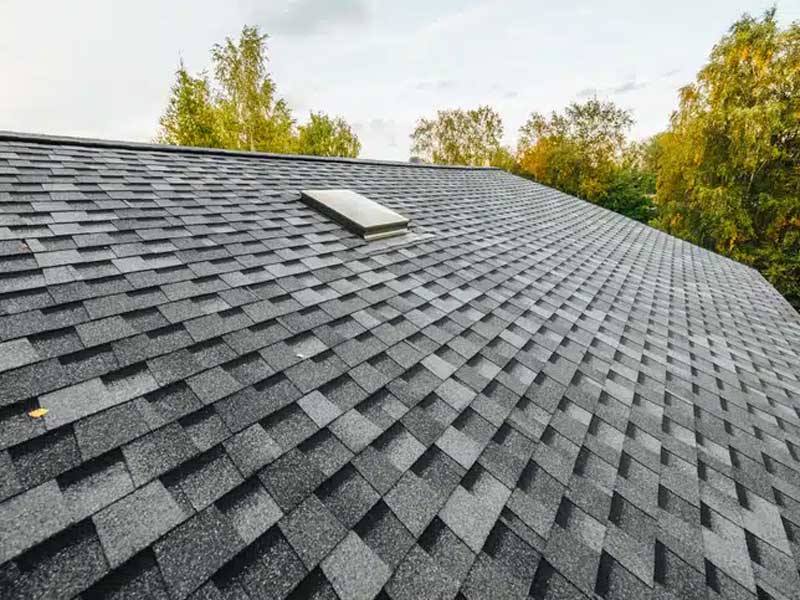
High winds can tear shingles off completely. This leaves bare spots or causes the shingles to lift and flap. Missing shingles provide a place for water to get into your home.
Wind can also loosen shingles, resulting in curling or breaking. Those same winds can bend and crease them, which compromises their seal, even if they don’t tear off.
Asphalt shingles have a protective layer of granules. If you see an excessive amount of these granules in your gutters or see bald patches on your roof, it indicates hail and wind impact. Hail can also leave dents and dings in softer metal components. This includes vents, flashing, and gutters.
Check around your chimneys and vents for bent, cracked, or detached flashing. Once the flashing is damaged, it can let water seep into vulnerable areas.
You’ll want to look for fallen branches and other storm debris, too. Their impact may have caused punctures or cracks where moisture can be trapped. Furthermore, a roofline that looks wavy or sags can be a sign of weakened structural supports or moisture damage.
Hidden Interior Damage
Visible damage on your roof isn’t the only sign of a problem. Watch for red flags inside your home that point to a weakened roof or active leaks. For example, brown or yellow stains on your walls or ceiling are signs of water infiltration. Look for them after heavy rains.
If you have access to your attic, look for wet, dark, or compressed insulation. Water damage causes insulation to lose its effectiveness and indicates a roof leak. If you see daylight coming through the roof boards from inside the attic, it means that water can also get in.
Bubbling or peeling paint is another warning sign. Water trapped behind interior walls and ceilings due to a roof leak can cause this. In addition, a persistent musty or moldy odor in the attic or upper floors can be due to trapped moisture and mold growth.
Professional Roofers
It’s important to contact a professional roofer for an expert assessment after a severe storm. This prevents further damage by allowing for immediate repairs and ensuring your home’s safety and structural integrity. A roofer will identify hidden issues and perform the necessary repairs, which saves you money and stress.
Call Kairos Roofing in Fort Lauderdale, FL to learn more about our storm restoration services.